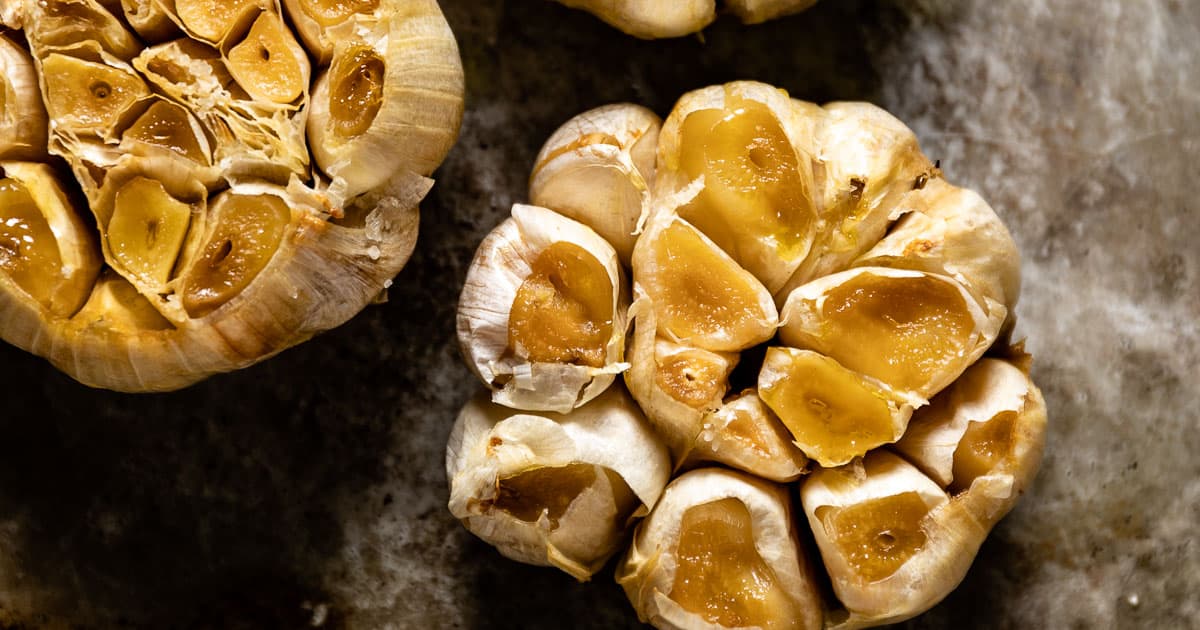
Understanding the Magic: Why Roast Garlic?
If you've only ever experienced garlic in its pungent, raw form, prepare for a delightful culinary revelation. Roasting garlic in the oven transforms this aromatic ingredient from sharp and spicy to incredibly sweet, mellow, and deeply savory. This isn't just a subtle change; it's a complete metamorphosis that unlocks a world of flavor and texture you might not have known existed.
When you roast garlic, the high heat triggers a chemical reaction. The potent compound allicin, responsible for raw garlic's characteristic bite, breaks down. In its place, complex sugars and caramelized notes emerge, resulting in a flavor profile that is wonderfully sweet, umami-rich, and subtly nutty. The texture also undergoes a dramatic change, turning from firm and crisp to a buttery-soft, spreadable consistency that practically melts in your mouth. The aroma alone as it roasts is enough to entice any garlic enthusiast, filling your kitchen with an inviting, savory perfume. Beyond the irresistible taste and texture, roasted garlic is often easier to digest for those sensitive to raw garlic, making it a win-win for both flavor and comfort.
Choosing Your Garlic & Essential Ingredients
Achieving oven-roasted garlic perfection begins with selecting the right ingredients. While the process itself is wonderfully simple, a little attention to detail here can significantly enhance your final result.
Garlic Selection
Opt for firm, heavy garlic bulbs that feel substantial for their size. Avoid any that show signs of soft spots, mold, or appear dried out. Freshness is key, as older bulbs can sometimes yield a less flavorful or drier roasted product. While any good quality garlic will work, some chefs prefer organic or young garlic for its potentially milder, sweeter flavor. Hardneck varieties, often recognized by a firm central stalk, can sometimes be easier to peel after roasting due to their larger, more uniform cloves.
The Role of Oil
A good quality oil is indispensable for roasting garlic. It helps in several crucial ways: it facilitates caramelization, prevents the garlic from drying out, and infuses it with extra richness.
- Olive Oil: This is the classic choice and our top recommendation. Its fruity, peppery notes complement the sweetness of roasted garlic beautifully, making it perfect for most savory applications.
- Neutral Oils: If you prefer the pure, unadulterated flavor of garlic to shine through, or plan to use the roasted garlic in a very specific dish where olive oil might clash, neutral oils like avocado oil or grapeseed oil are excellent alternatives.
Optional Enhancements for Flavor Variations
While roasted garlic is fantastic on its own with just oil, a few simple additions can elevate its flavor profile or tailor it for specific uses.
- Salt & Pepper: A light seasoning of sea salt and freshly cracked black pepper can enhance the garlic's natural flavors without overpowering them.
- Herbs: Fresh herbs like sprigs of rosemary, thyme, or sage tucked into the foil packet infuse the garlic with aromatic complexity. Rosemary pairs particularly well with the earthy sweetness of roasted garlic.
- Spices: For a subtle kick, a pinch of red pepper flakes can be added. Smoked paprika can introduce a deeper, more robust flavor.
- Butter: For ultimate indulgence, you can add a small pat of butter alongside the olive oil. This creates an even richer, more decadent roasted garlic.
- Citrus Zest: A tiny bit of lemon or orange zest added at the end can brighten the overall flavor, especially if you plan to use the roasted garlic in lighter dishes or dips.
Mastering the Methods: How to Roast Garlic in the Oven
The process of
how to roast garlic in the oven is straightforward, but there are a couple of popular methods, each with its own advantages. We'll guide you through both whole bulb roasting and roasting individual cloves, so you can choose the technique that best suits your needs.
First things first, preheat your oven. A temperature range of 350-400ºF (175-200ºC) is ideal. A slightly lower temperature (350ºF) will result in a slower, gentler roast, leading to intensely creamy garlic, while a higher temperature (400ºF) will caramelize the garlic more quickly, yielding a slightly firmer texture with more pronounced browned notes.
Method 1: Whole Bulb Roasting (The Classic Approach)
This method is fantastic for a hands-off approach and results in beautifully presented, easy-to-squeeze roasted garlic.
- Preparation: Take a whole head of garlic. Using a sharp knife, slice off about a quarter to a third of the top of the bulb, just enough to expose the tips of the individual cloves. Leave the papery outer layers intact; they protect the cloves during roasting.
- Wrap It Up: Place the prepared garlic bulb(s) on a piece of aluminum foil large enough to form a sealed packet. Alternatively, you can use a small, oven-safe dish with a lid.
- Drizzle & Season: Drizzle about 1-2 teaspoons of olive oil over the exposed cloves, ensuring they are lightly coated. You can gently rub the oil into the cloves with your finger. This oil not only adds flavor but also helps prevent the garlic from drying out and encourages beautiful caramelization. Add a sprinkle of salt and pepper, and any optional herbs if desired.
- Seal the Packet: Bring the edges of the foil up and over the garlic, sealing it tightly to create a little parcel. It's best to wrap it somewhat loosely around the garlic to prevent the cloves from sticking to the foil as they soften. If using a dish, simply cover it with its lid or foil.
- Roast to Perfection: Place the foil packet or covered dish directly on the oven rack. Roast in your preheated 400ºF (200ºC) oven for 30-40 minutes. For a 350ºF (175ºC) oven, it might take 45-60 minutes.
- Check for Doneness: The garlic is ready when the cloves are golden brown, deeply softened, and easily squeezed from their papery skins. They should feel incredibly tender when gently pressed.
- Cool & Extract: Let the roasted garlic cool slightly before handling. Once cool enough, simply squeeze the soft cloves from the bulb directly into a bowl or onto your serving dish.
Method 2: Roasting Individual Cloves (Quicker & Versatile)
If you need roasted garlic faster, or prefer it ready to use without the squeezing, roasting individual cloves is a great alternative.
- Preparation: Separate and peel individual garlic cloves. This is the most labor-intensive part, but worth it for the convenience later.
- Arrange: Place the peeled cloves in a small, shallow oven-safe dish or spread them evenly on a baking sheet. Avoid overcrowding.
- Oil & Season: Drizzle generously with olive oil – enough to lightly coat all the cloves – and season with salt, pepper, and any desired spices. Toss gently to ensure even distribution.
- Roast: Place the dish or baking sheet in your preheated 400ºF (200ºC) oven. You can cover the dish loosely with foil for the first 15 minutes to steam them slightly, then uncover to allow for browning. If using a baking sheet, you might want to loosely cover with foil for the entire roasting time to prevent excessive drying or burning, or roast uncovered for a more toasted texture.
- Roast Time: Roast for approximately 20-30 minutes, or until the cloves are golden brown, tender, and fragrant. Keep a close eye on them, as individual cloves can roast more quickly than whole bulbs.
Tips for Perfection & Troubleshooting
Even though roasting garlic is simple, a few expert tips can ensure consistently perfect results every time.
- Don't Overcrowd: Whether roasting whole bulbs or individual cloves, ensure there's enough space for air to circulate. Overcrowding can lead to steaming rather than roasting, preventing proper caramelization.
- Test for Doneness: The visual cues are important (golden brown), but don't shy away from gently squeezing a clove from a whole bulb or testing the tenderness of an individual clove with a fork. It should be very soft, almost jelly-like.
- Prevent Burning: If your garlic seems to be browning too quickly, you can reduce the oven temperature slightly or cover the garlic more tightly with foil for the remainder of the roasting time. Burning results in a bitter taste, so prevention is key.
- Dealing with Sticking: If garlic tends to stick to foil, ensure you've used enough oil, and wrap it loosely rather than pressing the foil tightly against the cloves. Using parchment paper inside the foil can also help.
- Storage Solutions: Once roasted and cooled, your garlic can be stored in an airtight container in the refrigerator for up to a week. For longer storage, freeze the roasted cloves. You can mash them into a paste and freeze in ice cube trays for convenient portions. If storing in oil, be mindful of food safety; only store in oil for a few days in the fridge due to the risk of botulism. For prolonged storage in oil, ensure proper acidification. Freezing without oil is generally the safest long-term option.
- Adjust Flavor Intensity: More oil tends to yield a milder roasted garlic, as the oil helps mellow the flavor. Less oil can result in a more concentrated, intense garlic flavor.
Endless Culinary Uses for Your Roasted Garlic
Once you've mastered how to roast garlic in the oven, you'll find yourself making batches regularly, eager to incorporate its sweet, creamy goodness into almost everything. Its versatility is truly astounding.
- Glorious Spreads: The most straightforward use is to simply spread the soft, buttery cloves directly onto crusty bread, toasted baguette slices, or crackers. It's sublime with fresh no-knead Dutch oven bread.
- Dips and Spreads: Mash roasted garlic into hummus, blend it into creamy salad dressings, mayonnaise (for a quick aioli), or sour cream for an instant dip.
- Soups and Stews: Stir mashed roasted garlic into your favorite soups and stews. It adds incredible depth, sweetness, and a subtle thickening quality without an overpowering raw garlic taste. Try it in tomato soup or a hearty lentil stew.
- Vegetable Enhancer: Mix it into mashed potatoes for an elevated side dish. Toss it with other roasted vegetables like broccoli, asparagus, or carrots for an extra layer of flavor.
- Pasta and Sauces: Stir roasted garlic into pasta sauces (like marinara or Alfredo), or simply toss it with warm pasta, olive oil, and Parmesan cheese for a quick, flavorful meal.
- Meat Rubs & Marinades: Mash roasted garlic and use it as a rub for roasted chicken, fish, or steak, or incorporate it into your marinades for a deeper savory note.
- Compound Butters: Blend roasted garlic with softened butter and fresh herbs (like parsley or chives) to create a delicious compound butter perfect for topping grilled steaks, spreading on corn on the cob, or finishing vegetables.
- Pizza and Focaccia: Dot roasted garlic cloves over homemade pizza before baking or press them into focaccia dough for a wonderfully aromatic bread.
- Just Eat It! Honestly, one of the best ways to enjoy it is straight from the head, as a delightful snack!
Conclusion
Learning how to roast garlic in the oven is more than just a cooking technique; it's an invitation to unlock a profound depth of flavor that can elevate countless dishes. This simple process transforms humble garlic into a sweet, caramelized, and buttery ingredient that is both versatile and undeniably delicious. From enhancing your everyday meals to creating show-stopping appetizers, oven-roasted garlic is a kitchen staple that once you try, you'll wonder how you ever lived without. So, grab a few heads of garlic, drizzle with oil, and let your oven work its magic �� your taste buds will thank you.